
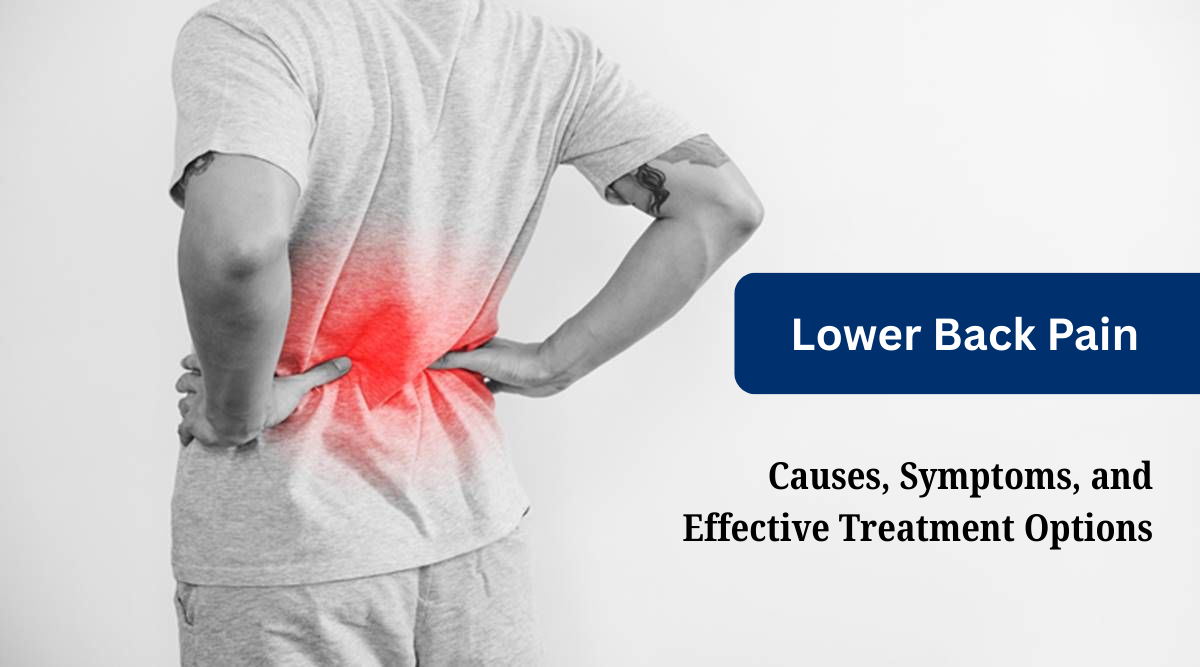
Lower Back Pain
Lower Back Pain: Causes, Symptoms, and Effective Treatment Options
Lower back pain is a condition that affects people across different age groups and lifestyles. It may begin suddenly after physical strain or develop gradually due to daily habits that place stress on the spine. Many individuals start learning about this condition after visiting a Spine Surgeon in Pune, but understanding lower back pain does not require medical jargon. This article explains the condition in a clear and practical way, helping readers understand why it occurs, how it feels, and what approaches are commonly used to manage it safely.
What Is Lower Back Pain?
Lower back pain refers to discomfort located in the lumbar region of the spine, which supports most of the body’s weight. This area plays a key role in movement, balance, and posture. Pain can range from mild stiffness to severe discomfort that limits daily activity.
Lower back pain is generally classified into:
-
- Acute pain, which lasts for a short period
- Chronic pain, which continues for several months or longer
Primary Causes of Lower Back Pain
Lower back pain rarely has a single cause. Instead, it usually develops due to a combination of physical stress, posture habits, and spinal changes.
Muscle Overuse and Strain
Lifting heavy objects incorrectly, sudden twisting, or repetitive movements can overstretch muscles and ligaments. This is one of the most common reasons for short-term pain.
Incorrect Sitting and Standing Posture
Long hours of sitting with a rounded back or standing without spinal support can slowly strain the lower back muscles and joints.
Disc-Related Issues
The spinal discs act as shock absorbers. When a disc bulges or shifts from its normal position, it can irritate nearby nerves and lead to pain.
Limited Physical Activity
A lack of regular movement weakens core muscles that support the spine. Weak support increases stress on the lower back during everyday activities.
Age-Related Degeneration
As the body ages, spinal structures may lose flexibility and strength. This natural process can reduce spinal stability and increase discomfort.
Underlying Health Conditions
Some medical conditions linked to lower back pain include:
- Degenerative joint conditions
- Nerve compression disorders
- Bone density loss
Common Symptoms to Watch For
Lower back pain can present differently in each individual. Typical symptoms include:
- A constant dull ache in the lower back
- Sudden sharp pain during movement
- Stiffness after rest or sleep
- Difficulty bending or standing upright
- Pain spreading to the hips or legs
Signs That Lower Back Pain Needs Medical Evaluation
While mild discomfort often improves with rest and care, certain symptoms require attention:
- Pain lasting longer than a few weeks
- Tingling, numbness, or weakness in the legs
- Pain following a fall or physical injury
- Difficulty walking or maintaining balance
- Pain that worsens at night
How Lower Back Pain Is Evaluated
Evaluation usually begins with a detailed discussion of symptoms and daily habits. A physical examination may assess posture, muscle strength, reflexes, and spinal movement. Imaging tests are sometimes used to better understand internal spinal structures when needed.
Effective Treatment Approaches for Lower Back Pain
Treatment plans vary based on the cause and severity of pain. Most cases improve without invasive methods.
Activity Adjustment
Avoiding movements that worsen pain while maintaining gentle activity helps prevent stiffness and muscle weakness.
Physical Rehabilitation
Avoiding movements that worsen pain while maintaining gentle activity helps prevent stiffness and muscle weakness.
Pain Relief Methods
Heat, cold therapy, and posture correction are commonly used to reduce discomfort and inflammation.
Non-Surgical Management
For persistent pain, targeted therapies may be used to reduce nerve irritation and improve mobility.
Surgical Intervention
Surgery is generally considered only when non-invasive options fail and daily function is severely affected.
Exercises That Support Lower Back Health
Gentle exercises are often recommended to maintain spinal strength and flexibility:
- Pelvic tilts
- Knee-to-chest movements
- Cat-cow stretches
- Controlled walking
- Core stability exercises
Daily Practices That Help Prevent Lower Back Pain
Simple habits can reduce the risk of recurring pain:
- Maintaining correct posture during daily activities
- Taking regular movement breaks
- Using supportive seating and sleeping surfaces
- Keeping body weight within a healthy range
- Staying physically active
Importance of Ergonomic Awareness
Workspaces that support natural spinal alignment reduce unnecessary stress on the lower back. Proper screen height, chair support, and foot placement play a major role in long-term spinal comfort.
Living With Lower Back Pain
With proper awareness and timely care, most people can manage lower back pain effectively. Understanding personal triggers and maintaining supportive habits helps reduce flare-ups and improves quality of life.
Conclusion
Lower back pain is a condition influenced by posture, movement, and spinal health. While it can disrupt daily life, most cases improve with informed care and consistent habits. Gaining accurate knowledge—often after consultation with a Spine Surgeon in Pune—allows individuals to make better decisions for long-term spinal well-being.
Frequently Asked Questions (FAQs)
Yes, it is one of the most frequent musculoskeletal complaints worldwide.
Mild cases often improve with rest, movement, and posture correction.
Short-term pain may resolve within weeks, while chronic pain lasts longer.
Yes, strengthening supportive muscles reduces strain on the spine
Extended sitting without breaks can increase spinal stress.