
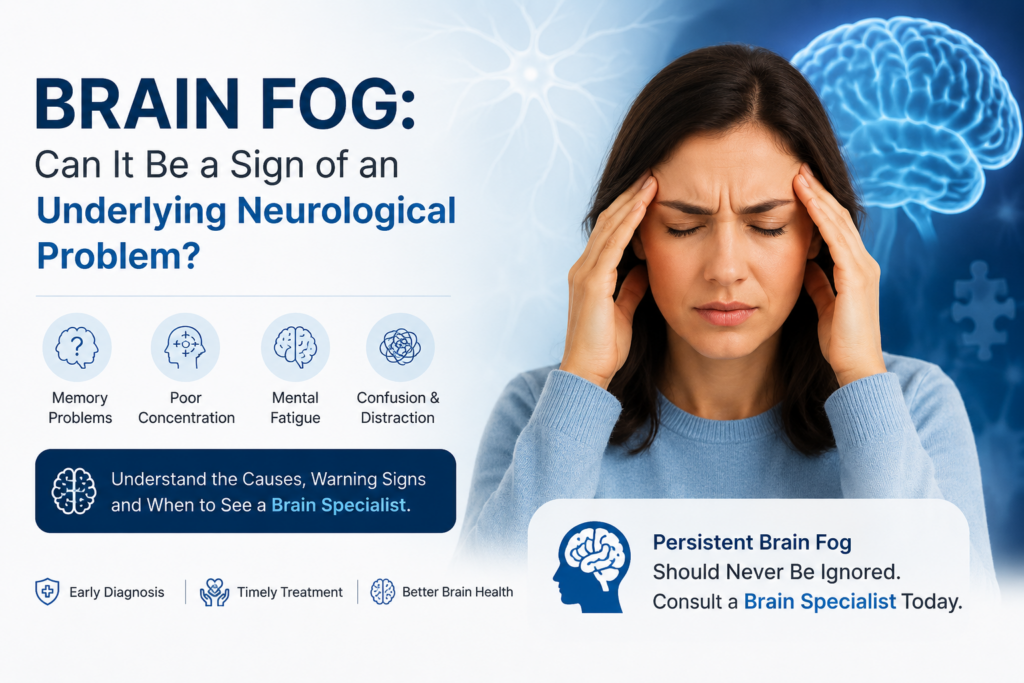
Brain Fog: Can It Be a Sign of an Underlying Neurological Problem?
Many people experience days when they feel mentally tired, forgetful, or unable to focus properly. Often referred to as “brain fog,” this condition can affect concentration, memory, thinking speed, and overall mental clarity. While occasional brain fog may result from lack of sleep, stress, or a busy lifestyle, persistent brain fog should not be ignored.
In some cases, brain fog can be a symptom of an underlying neurological condition that requires medical attention. Understanding its causes and knowing when to seek professional help can make a significant difference in maintaining long-term brain health.
What Is Brain Fog?
Brain fog is not a medical diagnosis itself. Instead, it is a term used to describe a group of symptoms that affect cognitive function.
People experiencing brain fog often report:
- Difficulty concentrating
- Forgetfulness
- Mental fatigue
- Slow thinking
- Trouble finding the right words
- Feeling confused or distracted
- Reduced productivity
These symptoms can interfere with daily activities, work performance, and overall quality of life.
Is Brain Fog Normal?
Occasional brain fog is common and can happen to anyone. It may occur after:
- Poor sleep
- Emotional stress
- Dehydration
- Illness
- Long working hours
- Nutritional deficiencies
In many cases, symptoms improve once the underlying cause is addressed. However, if brain fog becomes frequent, persistent, or progressively worsens, it may indicate a deeper health concern.
Can Brain Fog Be Related to Neurological Problems?
Yes. Persistent brain fog can sometimes be linked to neurological conditions affecting the brain, nerves, or nervous system.
Neurological causes may include:
1. Migraine Disorders
Many individuals experience cognitive difficulties before, during, or after migraines. Brain fog associated with migraines can affect memory, attention, and concentration.
2. Stroke or Transient Ischemic Attack (TIA)
Brain fog accompanied by sudden weakness, speech difficulties, or balance problems may indicate a serious neurological emergency that requires immediate medical attention.
3. Multiple Sclerosis (MS)
Multiple sclerosis can affect communication between the brain and body, leading to cognitive symptoms including memory problems and difficulty concentrating.
4. Parkinson’s Disease
In some individuals, cognitive changes may appear alongside movement-related symptoms.
5. Brain Tumors
Although not every case of brain fog indicates a tumor, persistent cognitive difficulties associated with headaches, vision changes, seizures, or personality changes should be evaluated by a brain tumor specialist in pune.
Common Non-Neurological Causes of Brain Fog
Brain fog is not always related to neurological disease. Several other conditions can contribute to these symptoms:
Sleep Disorders
Poor sleep quality affects memory, concentration, and mental performance.
Chronic Stress and Anxiety
Long-term stress can impact cognitive function and create a feeling of mental exhaustion.
Hormonal Imbalances
Thyroid disorders and hormonal changes can contribute to cognitive difficulties.
Nutritional Deficiencies
Low levels of Vitamin B12, Vitamin D, iron, and other nutrients may affect brain function.
Diabetes
Fluctuating blood sugar levels can influence concentration and mental clarity.
When Should You See a Doctor for Brain Fog?
Many people dismiss brain fog as a normal part of life. However, medical evaluation is recommended if symptoms:
- Persist for several weeks
- Become progressively worse
- Affect work or daily activities
- Occur with headaches
- Are associated with dizziness
- Cause memory problems
- Occur with numbness or weakness
- Affect speech or balance
Early diagnosis often leads to better treatment outcomes and can help identify potentially serious conditions before complications develop.
How Is Brain Fog Diagnosed?
Diagnosis begins with a detailed medical history and neurological examination.
Depending on symptoms, a doctor may recommend:
- Blood tests
- Brain imaging studies
- MRI scans
- Cognitive assessments
- Neurological evaluations
A thorough assessment helps identify the underlying cause rather than simply treating the symptoms.
Can Brain Fog Be Treated?
Treatment depends entirely on the cause.
Common treatment approaches may include:
Lifestyle Improvements
- Better sleep habits
- Regular exercise
- Healthy nutrition
- Stress management
Medical Treatment
Treating underlying neurological or medical conditions often helps improve cognitive symptoms.
Cognitive Support
In some cases, rehabilitation strategies and memory exercises may be recommended.
Tips to Improve Brain Health Naturally
While medical evaluation is important for persistent symptoms, certain lifestyle habits can support brain function:
- Get 7–8 hours of quality sleep
- Stay physically active
- Eat a balanced diet rich in fruits and vegetables
- Stay hydrated
- Reduce stress levels
- Avoid smoking
- Limit excessive alcohol consumption
- Keep your mind active through reading and learning
Frequently Asked Questions About Brain Fog
Can brain fog be a symptom of a brain tumor?
In some cases, persistent brain fog combined with headaches, vision changes, seizures, or personality changes may require evaluation by a brain tumor specialist in pune. However, brain fog alone does not automatically indicate a brain tumor
Can stress cause brain fog?
Yes. Chronic stress and anxiety are among the most common causes of brain fog and can significantly affect concentration and memory.
Is brain fog permanent?
Most cases improve once the underlying cause is identified and treated. Early evaluation is important if symptoms continue or worsen.
Which doctor should I consult for persistent brain fog?
If symptoms are ongoing or affecting daily life, consulting a brain specialist in pune can help determine whether a neurological condition may be contributing to the problem.
Final Thoughts
Brain fog is more than occasional forgetfulness or lack of focus. While it can be caused by everyday factors such as stress, poor sleep, or nutritional deficiencies, persistent symptoms should never be ignored.
In some cases, brain fog may be an early sign of an underlying neurological condition that requires professional evaluation. Seeking guidance from a brain specialist in pune can help identify the cause, provide appropriate treatment, and support long-term brain health.
If cognitive symptoms are affecting your daily activities, early consultation with a highly experienced neurologist in pune at the best neurology hospital in pune can help ensure timely diagnosis and appropriate care.