
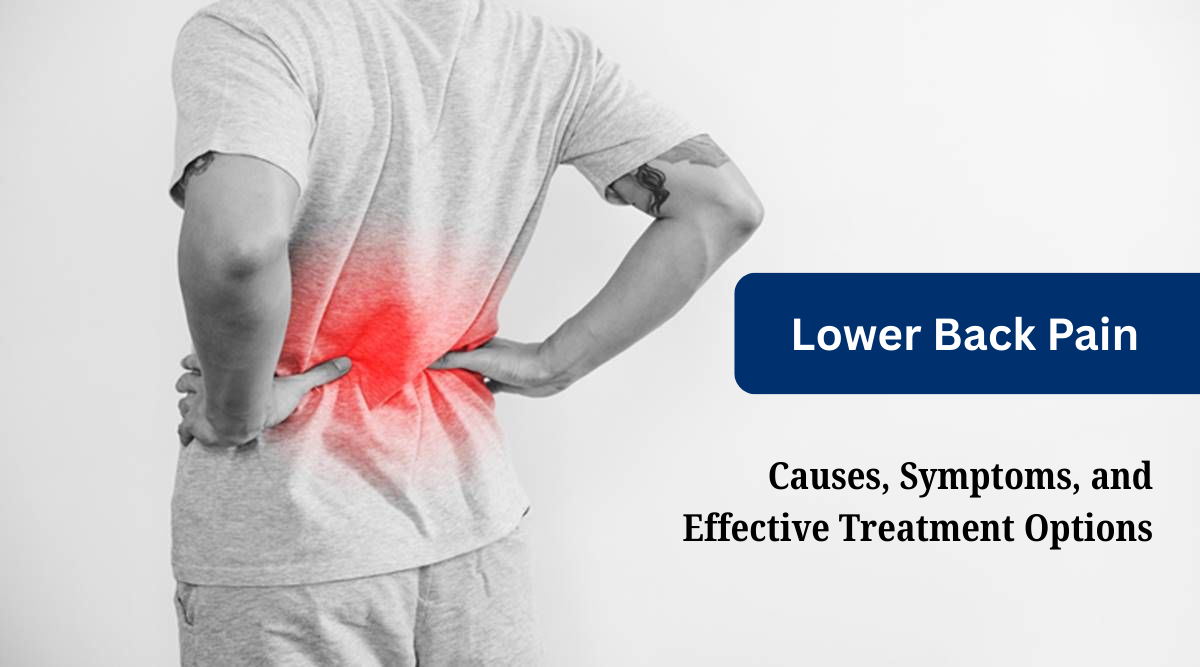
Lower Back Pain
Lower Back Pain: Causes, Symptoms, and Effective Treatment Options
Lower back pain is a condition that affects people across different age groups and lifestyles. It may begin suddenly after physical strain or develop gradually due to daily habits that place stress on the spine. Many individuals start learning about this condition after visiting a Spine Surgeon in Pune, but understanding lower back pain does not require medical jargon. This article explains the condition in a clear and practical way, helping readers understand why it occurs, how it feels, and what approaches are commonly used to manage it safely.
What Is Lower Back Pain?
-
- Acute pain, which lasts for a short period
- Chronic pain, which continues for several months or longer
Primary Causes of Lower Back Pain
Muscle Overuse and Strain
Incorrect Sitting and Standing Posture
Long hours of sitting with a rounded back or standing without spinal support can slowly strain the lower back muscles and joints.
Disc-Related Issues
Limited Physical Activity
Age-Related Degeneration
Underlying Health Conditions
- Degenerative joint conditions
- Nerve compression disorders
- Bone density loss
Common Symptoms to Watch For
- A constant dull ache in the lower back
- Sudden sharp pain during movement
- Stiffness after rest or sleep
- Difficulty bending or standing upright
- Pain spreading to the hips or legs
Signs That Lower Back Pain Needs Medical Evaluation
- Pain lasting longer than a few weeks
- Tingling, numbness, or weakness in the legs
- Pain following a fall or physical injury
- Difficulty walking or maintaining balance
- Pain that worsens at night
How Lower Back Pain Is Evaluated
Effective Treatment Approaches for Lower Back Pain
Activity Adjustment
Physical Rehabilitation
Pain Relief Methods
Non-Surgical Management
Surgical Intervention
Exercises That Support Lower Back Health
- Pelvic tilts
- Knee-to-chest movements
- Cat-cow stretches
- Controlled walking
- Core stability exercises
Daily Practices That Help Prevent Lower Back Pain
- Maintaining correct posture during daily activities
- Taking regular movement breaks
- Using supportive seating and sleeping surfaces
- Keeping body weight within a healthy range
- Staying physically active
Importance of Ergonomic Awareness
Living With Lower Back Pain
Conclusion
Frequently Asked Questions (FAQs)
Yes, it is one of the most frequent musculoskeletal complaints worldwide.
Mild cases often improve with rest, movement, and posture correction.
Short-term pain may resolve within weeks, while chronic pain lasts longer.
Yes, strengthening supportive muscles reduces strain on the spine
Extended sitting without breaks can increase spinal stress.