
Slipped Disc Explained: Causes, Symptoms, and Treatment Options
A slipped disc is one of the most common spine problems today. Long working hours, sitting in the same position, stress, and lack of exercise make the spine weak over time. When a disc moves out of its normal position and presses on a nerve, it causes pain, stiffness, and discomfort. Many people ignore these early signs, but timely care can prevent long-term damage. If the symptoms continue, consulting an experienced Spine Surgeon in Pune can help you understand the exact condition and the right treatment.
What Is a Slipped Disc?
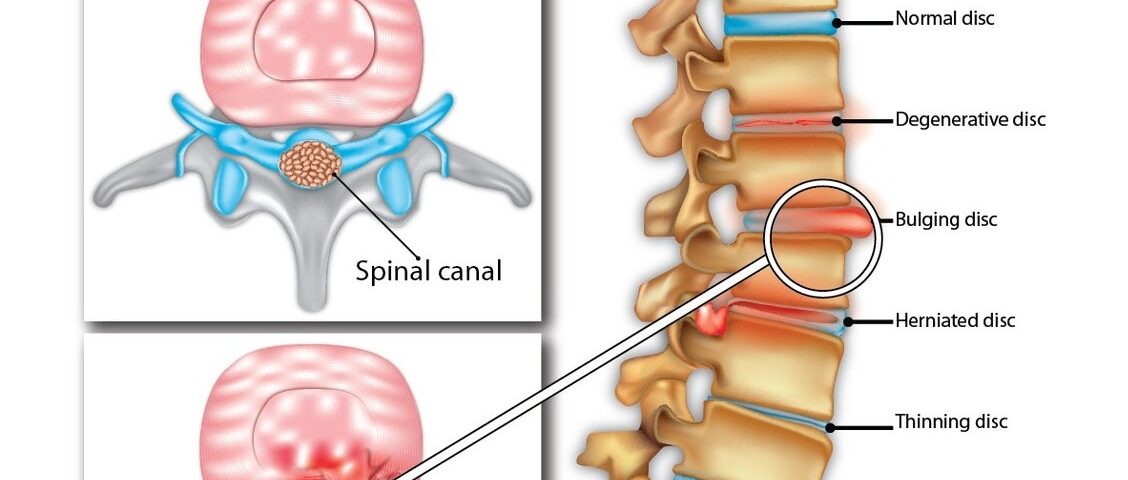
A slipped disc happens when one of the soft discs between the spine bones bulges out or ruptures. These discs work like cushions.
When they move from their place, they push on nearby nerves.
This pressure leads to back pain, neck pain, or pain spreading to the arms or legs.
A slipped disc mostly occurs in the lower back (lumbar region) or the neck (cervical region).
Common Symptoms You Should Notice Early
Many people mistake slipped disc pain for simple muscle strain, but a disc problem has very specific symptoms:
- Continuous back or neck pain
- Sharp pain while bending, lifting, or moving
- Pain travelling down the leg (sciatica)
- Tingling or numbness in legs or arms
- Weakness while walking, climbing, or lifting things
- Stiffness after long sitting
- Difficulty standing up straight
If these symptoms last for more than a few days, it is better to get checked.
Why Does a Slipped Disc Occur?
A slipped disc does not happen suddenly in most cases. It develops over time due to pressure and poor habits.
Common causes include:
- Wrong posture while sitting
- Lifting heavy weight without proper support
- Sudden twisting movements
- Long hours of laptop or mobile use
- Age-related disc wear
- Weak back and core muscles
- Lack of regular exercise
Understanding these triggers helps in prevention and faster recovery.
How Doctors Diagnose a Slipped Disc
Diagnosis is simple and painless. A spine specialist usually checks:
- Symptoms and medical history
They understand when the pain started and what movements increase it. - Physical examination
The doctor checks movement, flexibility, and nerve response. - Imaging tests
MRI scan is the most important test. It clearly shows the disc position and nerve pressure.
Sometimes X-rays are used to rule out fractures or bone issues.
Proper diagnosis ensures the right line of treatment.
Treatment Options for a Slipped Disc
Most slipped disc cases improve without surgery. With the right treatment, many patients recover within a few weeks.
✔ Non-Surgical Treatments
Medications:
Help reduce pain, swelling, and muscle spasm.
Physiotherapy:
One of the most effective methods.
It includes strengthening exercises, stretching, and posture training.
Heat and Cold Therapy:
Helps relax muscles and reduce inflammation.
Lifestyle Modification:
Avoiding heavy lifting, sitting for long periods, and using a supportive chair.
Rest (But Not Too Much):
Short rest helps, but complete bed rest is not advised.
✔ Advanced Non-Surgical Treatments
Epidural Steroid Injection:
Reduces nerve inflammation and gives fast relief from severe pain.
Nerve Root Block:
Used when the pain is too sharp or radiates to the legs.
These methods are safe and effective when done by a specialist.
✔ Surgical Treatment (Only When Necessary)
Surgery is recommended only when:
- Pain continues for weeks despite treatment
- Leg or arm weakness increases
- Numbness becomes severe
- Daily movements become difficult
- MRI shows strong nerve compression
Common surgical options include:
Microdiscectomy:
A small procedure where only the damaged part of the disc is removed.
Endoscopic Spine Surgery:
Very minimal cuts, faster recovery.
Minimally Invasive Spine Surgery:
Less pain, small incision, quick return to routine.
These surgeries have high success rates and fast recovery when performed by trained specialists.
Home Care Tips for Better Recovery
You can support your healing process at home with simple steps:
- Use ice or heat packs
- Sleep on a firm mattress
- Avoid long sitting or driving
- Take small breaks during work
- Do light stretching daily
- Stay active with short walks
- Avoid lifting anything heavy
- Keep weight under control
Daily discipline helps prevent recurrence.
When Should You Seek Medical Help?
You should see a doctor if:
- Pain remains for 1–2 weeks
- Pain spreads to arm or leg
- Tingling or numbness increases
- Weakness in legs makes walking difficult
- You cannot bend or sit without discomfort
- There are bowel or bladder issues (urgent)
Early consultation prevents long-term nerve damage.
How Early Treatment Helps You
- Faster recovery
- Less nerve pressure
- Lower chance of surgery
- Better posture and flexibility
- Improved sleep and daily movement
- Long-term spine protection
Simple lifestyle changes and correct medical guidance make a big difference.
Conclusion
- A slipped disc is treatable, and most people recover fully with timely care. Understanding the symptoms, getting proper diagnosis, and following a structured treatment plan can prevent the condition from becoming severe. If your pain is constant or affecting your daily routine, visiting an experienced Spine Surgeon in Pune can help you get safe and effective treatment for long-term spine health.